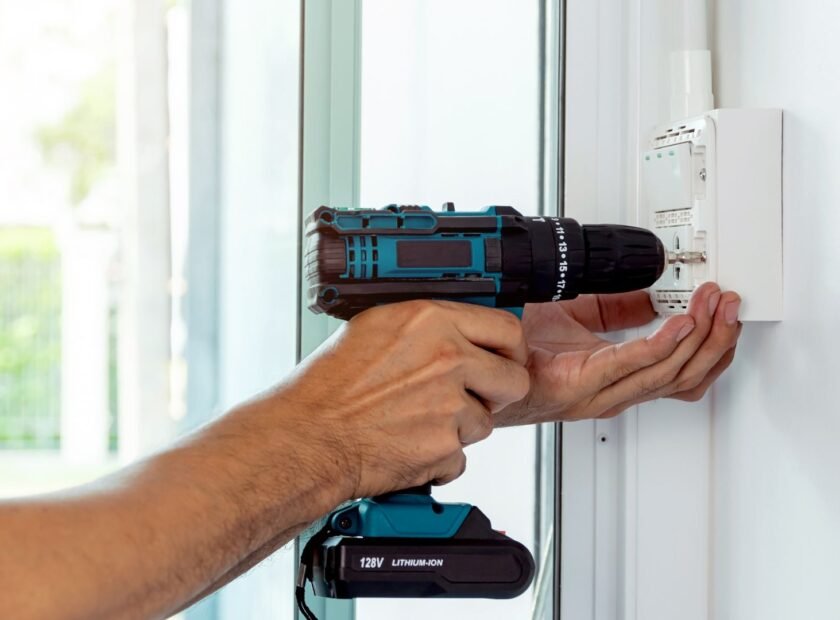
A standard make-ready covers routine turnover cleaning, cosmetic touch-up, hardware and fixture checks, and a punch-list walk on an empty unit in expected wear condition. Anything that requires materially more labor than a standard turn — deep cleaning, restoration, repairs above a threshold, appliance replacement, junk removal — sits outside the base and gets billed as a separate line item. The distinction is not what the vendor can do. It’s what a single per-unit price is calibrated to.
The scope line between “make-ready” and “everything else” is where most billing disputes happen. This piece defines the baseline, lists the conditions that push a unit into add-on territory, and gives you a scope structure that prevents on-site change orders.
If you’re deciding whether a unit needs a make-ready at all, or whether it needs a trash-out first, start with the scope-line piece. This one assumes you’ve already decided a make-ready is what you’re buying.
What is a standard make-ready?
A make-ready is the work required to turn an empty unit into a leasable one. Standard scope, at Verdant, covers the same eleven items on every turn:
- Routine turnover cleaning across the unit
- Paint touch-up on nail holes and light scuffs
- Caulking at tubs, sinks, and countertops
- Hardware tightening and replacement of missing pieces
- Fixture testing — every switch, outlet, light
- Appliance testing — burners, oven cycle, dishwasher, disposal, fridge, microwave
- HVAC filter change
- Smoke and CO detector check and battery replacement
- Minor drywall repair — small holes, seam pops
- Door and lock function check, blind function check
- Punch-list walk-through against the property’s leasing standard
The scope assumes two things: the unit is empty of the outgoing resident’s belongings, and the interior condition reflects normal wear from a single lease term. When either assumption fails, the pricing changes.
What does routine turnover cleaning cover?
Turnover cleaning inside a standard make-ready covers surface-level work in every room. Enough to get the unit rent-ready, not enough to restore neglect.
Kitchen
Counters, cabinet exteriors and interiors, sink and faucet, backsplash, floor. Appliance exteriors and interiors at surface condition — oven wiped, fridge shelves cleaned, microwave interior cleaned. Not: baked-on oven residue, heavy grease behind the range, months of buildup inside a fridge left running with food.
Bathrooms
Toilets, sinks, vanities, mirrors, tub and shower, fixtures, tile, floor. Normal soap and water residue clears in standard scope. Heavy soap scum, hard-water staining that requires acid treatment, or mildew requiring remediation does not.
Bedrooms and living areas
Dusting, vacuuming, mopping, baseboards, door faces and frames, light switches, closet floors. Marks that need spot cleaning rather than repainting. Pet hair at normal shed levels.
Touchpoints
Door handles, switch plates, thermostat, cabinet pulls, railings. Included in every turn.
The through-line: routine turnover cleaning addresses the residue of one lease term. It doesn’t reverse years of buildup and doesn’t restore a unit from a distressed state.
What gets billed as a separate line item?
Anything that pushes labor materially above the standard per-unit assumption. The table below groups the common ones by category.
| Category | In standard make-ready | Billed separately |
|---|---|---|
| Cleaning | Routine turnover cleaning across all rooms | Deep cleaning; oven restoration; heavy soap-scum removal; hard-water treatment; nicotine residue; pet odor treatment |
| Paint | Touch-up on nail holes and light scuffs | Full-wall paint; full-unit repaint; accent-wall coverage; heavy adhesive or crayon removal |
| Flooring | Vacuum, mop, spot clean | Carpet extraction; carpet replacement; hard-flooring refinishing; tile grout restoration |
| Appliances | Test, wipe, verify function | Appliance replacement; OTR microwave install; disposal replacement; heavy interior restoration |
| Plumbing fixtures | Test, tighten, verify seal | Faucet replacement; toilet replacement; angle stop replacement; water heater work |
| Drywall and structure | Minor patching — small holes, seam pops | Large hole repair; wall replacement; texture matching over broad areas |
| Removal | Nothing — unit is assumed empty | Furniture, mattresses, appliances left behind, bagged trash, exterior debris. See trash-out service |
| Specialty | Not covered | Biohazard cleanup; mold remediation; pest-related decontamination; smoke damage restoration |
| Exterior | Not covered | Pressure washing; patio or balcony debris removal; siding cleaning |
How do you tell “dirty” from “excessive”?
Language does most of the damage here. “Deep clean,” “heavy clean,” “make it right” — none of those terms specify what a crew does or what it costs. Two examples of the same category on different sides of the line:
Oven, standard. Cooked food residue, some splatter, a fried-food coating on the interior. Cleans in the time a standard make-ready allocates.
Oven, extra. Months of baked-on grease that requires overnight chemical treatment, or a self-clean cycle plus manual scraping. Same appliance, two to four times the labor.
Bathroom tile, standard. Soap film, water spots, light mildew on grout at fixture edges.
Bathroom tile, extra. Chronic hard-water calcification requiring acid, or grout staining that requires resealing to restore.
Carpet, standard. Vacuumed, spot-treated at obvious stains, ready for the next lease.
Carpet, extra. Pet urine at pad level, cigarette burns, or staining that reaches the pad. Full extraction or replacement.
The test isn’t visual. It’s labor. If the condition takes materially longer than a standard turnover cleaning assumes, it’s an add-on regardless of what the surface looks like.
Who pays for the extra work?
Two separate questions, and they get answered on different tracks.
Track one: vendor to property. Verdant bills the property for the actual work performed. Standard make-ready at the contracted per-unit rate, plus any add-on line items quoted and approved. That invoice reflects labor delivered, not who caused the condition.
Track two: property to resident. The property separately decides whether any portion of the additional cost is charged back to the outgoing resident from their security deposit. That decision depends on the lease, the move-in condition documentation, the state and local rules governing deposit disposition, and the property’s own policy.
Those tracks operate independently. A vendor’s invoice for oven restoration is a labor charge. Whether it can be recovered from the resident is a legal and contractual question the property answers on its own timeline. Don’t hold up the vendor invoice waiting for that decision — and don’t automatically pass the vendor’s number through as a resident charge without checking the lease and applicable rules.
How do you prevent scope surprises before the crew arrives?
Publish the boundary in writing, before the work order goes out. The structure that works:
- A named baseline scope per unit type — studio, one-bedroom, two-bedroom, three-bedroom. Same eleven items, priced per size.
- A published add-on menu with unit prices for the common items: oven restoration, carpet extraction per room, full-unit paint, appliance swap, angle stop replacement.
- A pre-work condition photo requirement. The crew photographs any condition that appears to push the unit into add-on territory before starting the additional work.
- An approval threshold. Under a dollar amount, the crew proceeds and reports. Over it, the crew stops and gets sign-off. Both sides know the rule going in.
- A completion standard. A written definition of what “ready” means for your leasing office, so the punch-list walk isn’t subjective.
Standardized across a portfolio, this structure produces predictable per-unit costs and comparable numbers across properties. Without it, you’re comparing apples to oranges every quarter.
A short make-ready scope checklist
Use this before dispatching a vendor to a unit:
- Is the unit empty? If not, trash-out first, then quote the make-ready.
- Is the interior in expected single-lease-term wear condition?
- Are there any of the add-on triggers — oven, tile, carpet, paint, appliances — visible in the walk-through photos?
- Have you shared photos of any exception condition with the vendor before they arrive?
- Does the work order specify baseline scope, approved add-ons, and the approval threshold for anything discovered on-site?
- Does the work order name the completion standard the punch-list walk is graded against?
Six questions. Two minutes per unit. Prevents most of the invoices you’d otherwise argue about.
Frequently asked questions
Is a make-ready the same as a deep clean?
No. A make-ready is a turnover scope that includes routine cleaning plus cosmetic and functional checks. Deep cleaning is a specific, more labor-intensive cleaning scope that addresses accumulated buildup and is quoted separately.
Should appliance cleaning be in the base make-ready?
Surface cleaning and function testing, yes. Restoration-level cleaning of neglected appliances, no.
Are minor repairs included?
Minor drywall patches, hardware replacement, caulking, and fixture testing are included. Repairs above a defined dollar threshold, or work that requires a specialty trade, are separate line items.
Does the vendor decide what counts as “extra”?
The scope should decide, not the vendor. That’s the point of publishing the baseline and add-on menu in advance. A vendor who quotes an add-on should be pointing at a specific item on that menu.
If your property also runs a doorstep collection program, see how valet trash is priced in DFW — the per-door rate and billing basis sit in the same budget line as your make-ready costs.
Get a scoped make-ready quote
Send us the unit type and condition photos. We’ll return a baseline per-unit rate with any add-on line items priced from the same menu we use across every property we service.
Request a quote or call 888-520-0340.